
Auldgirth, Dumfries
| | |
Opening Hours

Monday – Thursday 8am- 4pm
Friday 8am- 1pm

 
Close Menu
 
Home » Our Process

From initial consultation through to final handover, each stage is carefully managed — giving you clarity, confidence and a smooth experience throughout your build.

1. Initial Consultation

We begin by understanding your ideas, requirements and budget.

This initial stage allows us to discuss your vision, offer guidance and outline the best approach for your project.

2. Design & Planning

Once the brief is established, we move into the design and planning phase.

We work with you to develop plans, manage any necessary approvals and ensure everything is in place before construction begins.

3. Project Scheduling

A clear programme of works is created, coordinating timelines, materials and all trades involved.

This structured approach ensures the project runs efficiently and avoids unnecessary delays.

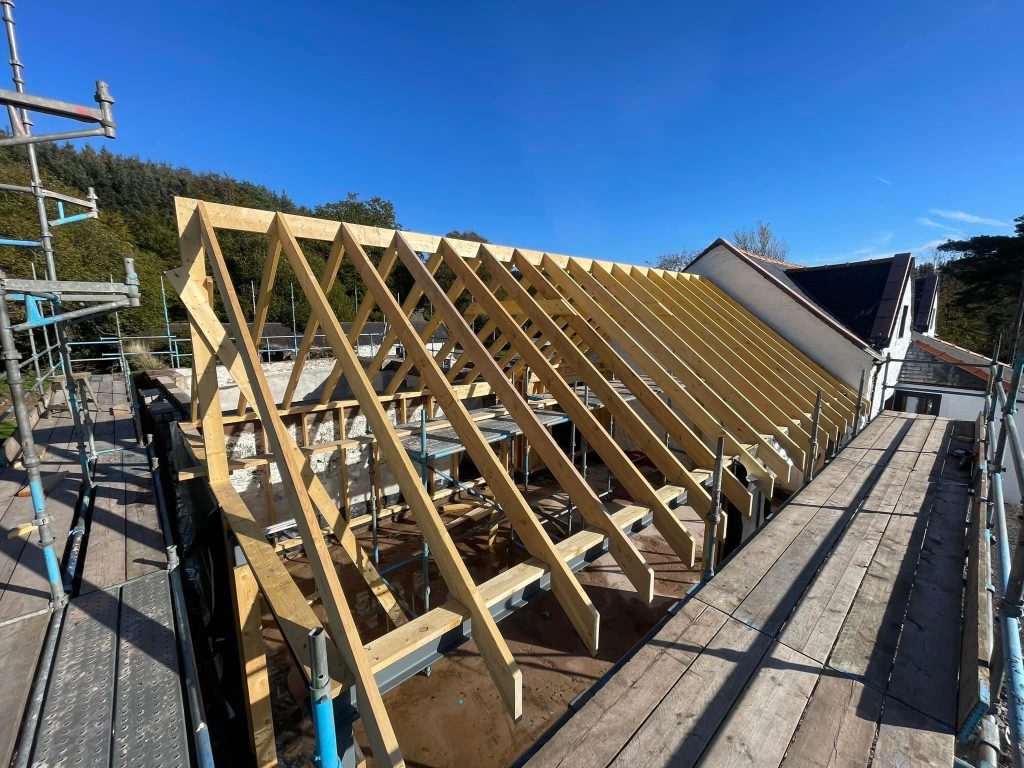
4. Construction

The build phase is delivered by our experienced team, with all works carried out to a high standard.

With project management in place throughout, we ensure quality, consistency and attention to detail at every stage.

5. Completion & Handover

Upon completion, final checks are carried out to ensure everything meets our standards.

The project is then professionally handed over, with all relevant documentation and aftercare support provided.

Our structured process ensures every project is delivered with professionalism, clarity and attention to detail — from start to finish.
 
This website uses cookies
This site uses cookies to enhance your browsing experience. We use necessary cookies to make sure that our website works. We’d also like to set analytics cookies that help us make improvements by measuring how you use the site. By clicking “Allow All”, you agree to the storing of cookies on your device to enhance site navigation, analyse site usage, and assist in our marketing efforts.
These cookies are required for basic functionalities such as accessing secure areas of the website, remembering previous actions and facilitating the proper display of the website. Necessary cookies are often exempt from requiring user consent as they do not collect personal data and are crucial for the website to perform its core functions.
A “preferences” cookie is used to remember user preferences and settings on a website. These cookies enhance the user experience by allowing the website to remember choices such as language preferences, font size, layout customization, and other similar settings. Preference cookies are not strictly necessary for the basic functioning of the website but contribute to a more personalised and convenient browsing experience for users.
A “statistics” cookie typically refers to cookies that are used to collect anonymous data about how visitors interact with a website. These cookies help website owners understand how users navigate their site, which pages are most frequently visited, how long users spend on each page, and similar metrics. The data collected by statistics cookies is aggregated and anonymized, meaning it does not contain personally identifiable information (PII).
Marketing cookies are used to track user behaviour across websites, allowing advertisers to deliver targeted advertisements based on the user’s interests and preferences. These cookies collect data such as browsing history and interactions with ads to create user profiles. While essential for effective online advertising, obtaining user consent is crucial to comply with privacy regulations.